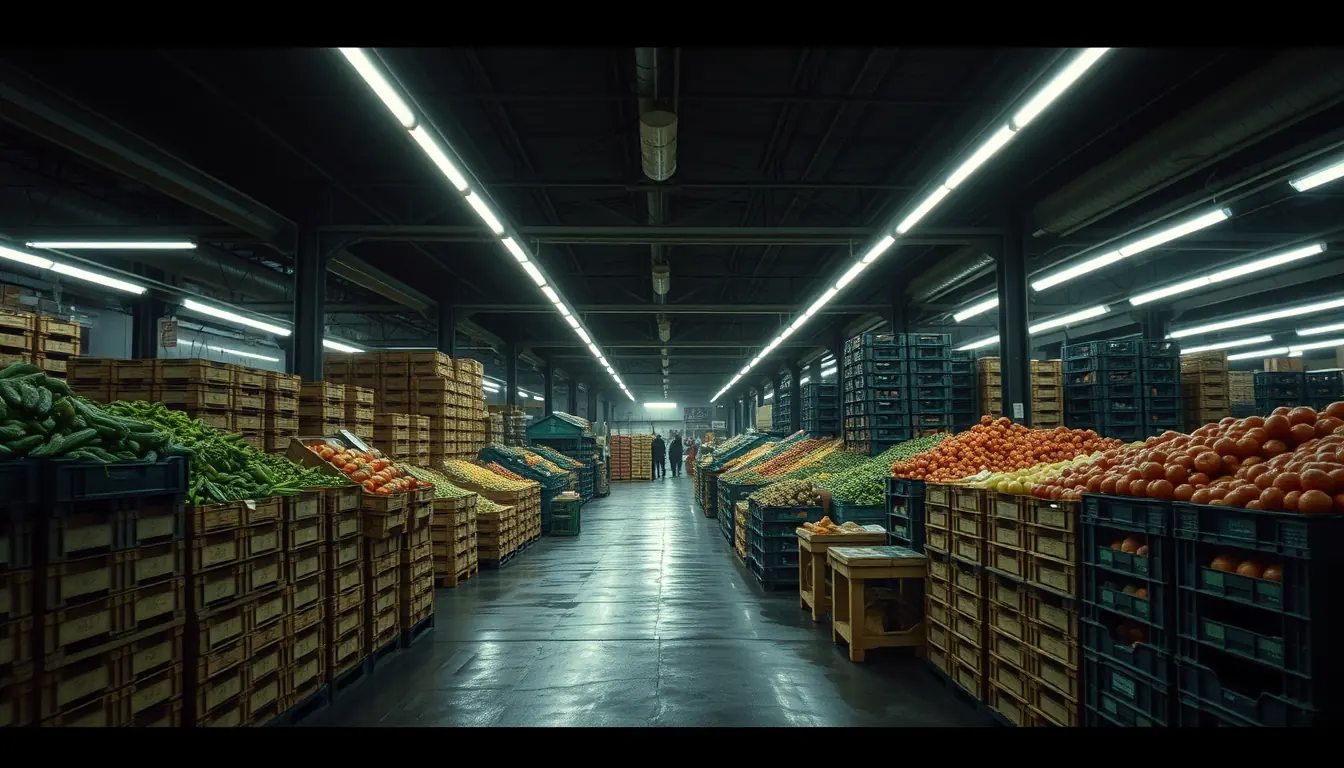
Warehouse software · from the order to the paid invoice
The software your warehouseruns the day on.
Orders in, priced, picked, loaded, driven, proved at the door and invoiced. One system doing all of it, instead of four that do not speak to each other and a person who types it up again at night.
- Drops
- 50
- Vans used
- 6
- Solved in
- 0.9s
4 maris piper
2 ginger
3 okra
5 tomato plum
On the order
- Potato, Maris Piper, Class I25kg sack£13.20
- Ginger, fresh, Class Ibox£24.80
- Okra, Class Ibox£18.40
- Tomato, plum, Class Ibox£11.95
What it replaces
A whiteboard, four spreadsheets, and the one person who knows.
Every warehouse runs the same day. Almost none of them run it on one system. The order is written somewhere, the price worked out somewhere else, the round drawn on a board, the delivery note filled in by hand and the invoice typed again that evening from the note.
01
The order
A message, a call, a note by the phone
02
The price
Worked out in a spreadsheet, sometimes twice
03
The round
Drawn on the board by whoever knows the area
04
The note
Filled in by hand, in the van, in the rain
05
The invoice
Typed again that evening from the note
Five times Once.
The same figures, written out five times a day, every one of them a chance to be wrong and none of them checkable against the last. That is not a software problem anybody has failed to notice. It is one nobody has priced for a warehouse this size.
One day, start to finish
Keep scrolling. The day runs.
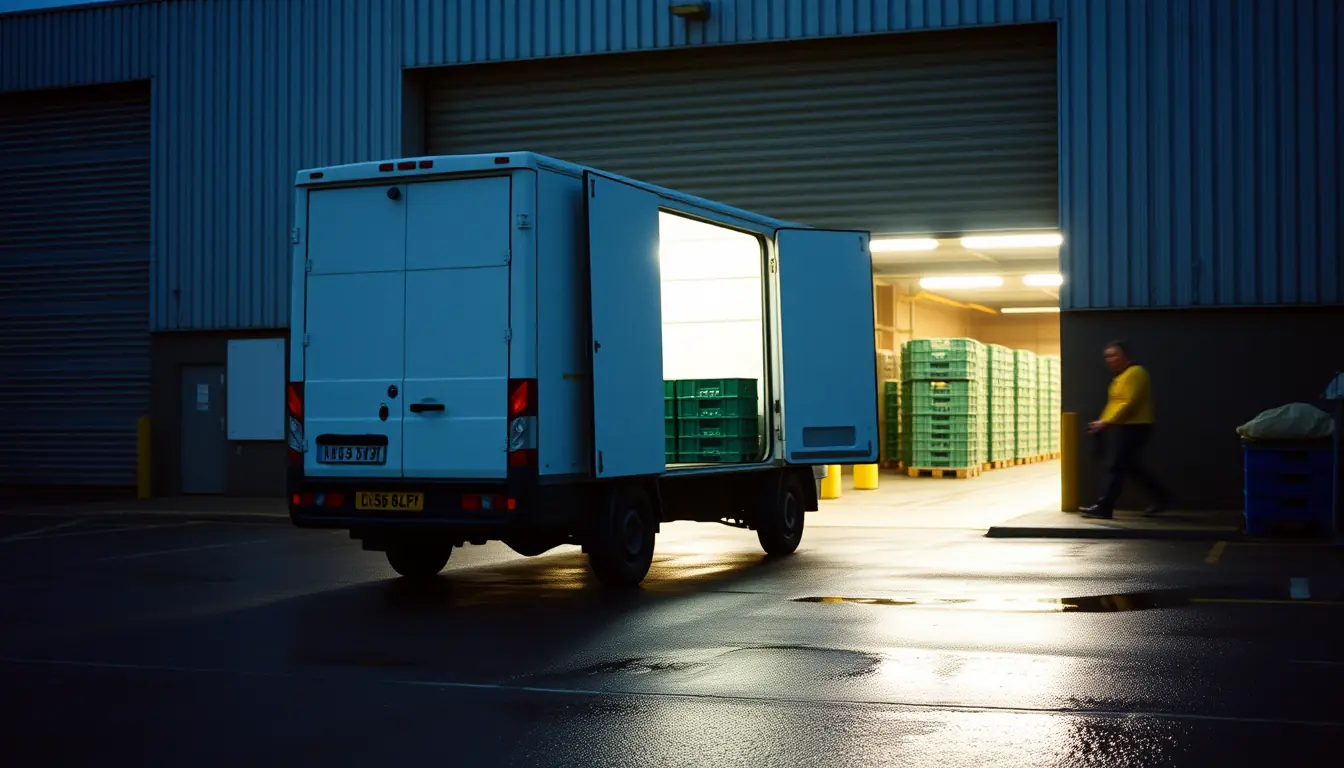
Four in the afternoon to five the next day, and what the system is doing at each hour of it. This is one real day on a wholesale floor in Southall. Yours starts at a different hour and carries different stock.
- 16:00
- 23:00
- 04:00
- 05:30
- 06:00
- 07:40
- 17:00
16:00
The day before
The orders come in the way they always have
The group chat, a voice note, a phone call. Pasted in once, they become real orders against your own product list, each one keeping a link back to the words the customer sent.
- Orders in
- 31
- Lines
- 262
- Re-keyed
- 0
Not seven tools. One chain.
Nothing is re-keyed between these.
 0116:00
The message
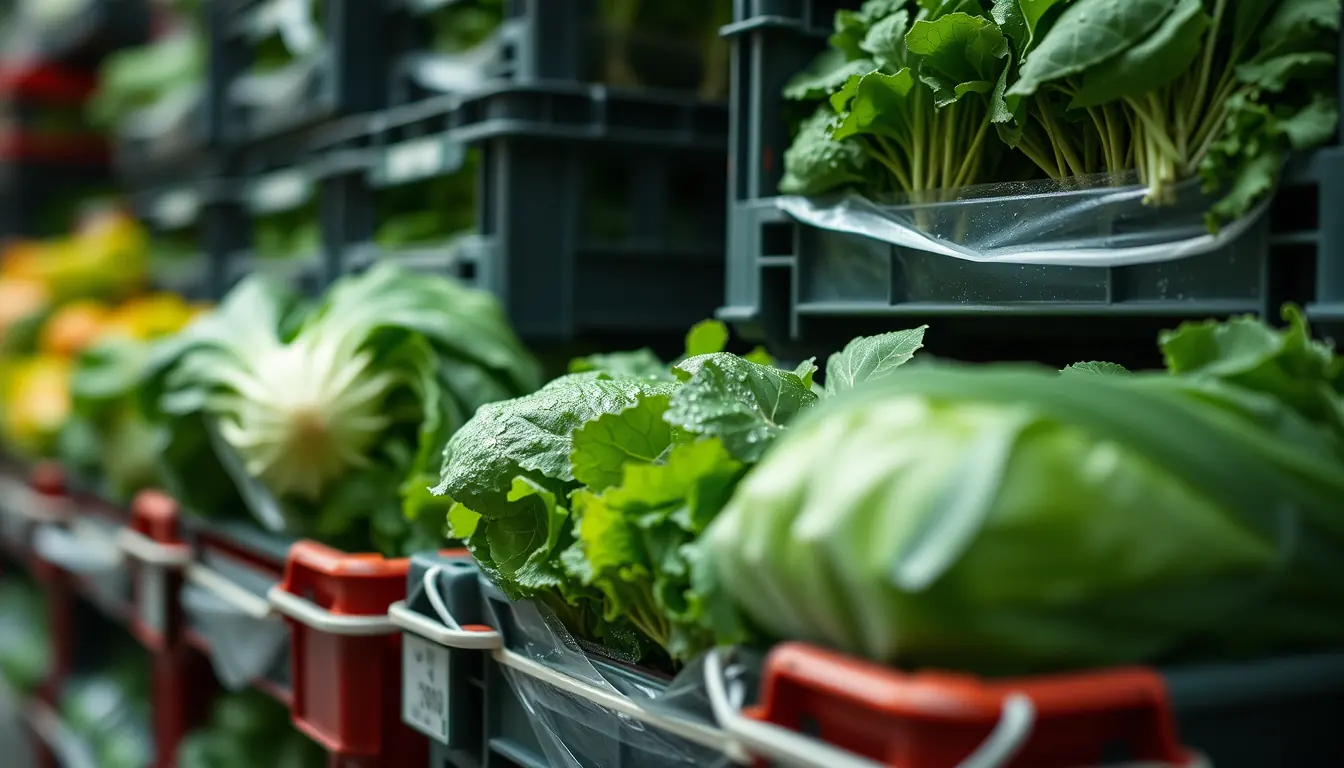
A chef texts you. It becomes an order against your product list, and keeps a link back to the words they sent.
 0202:00
The buy list
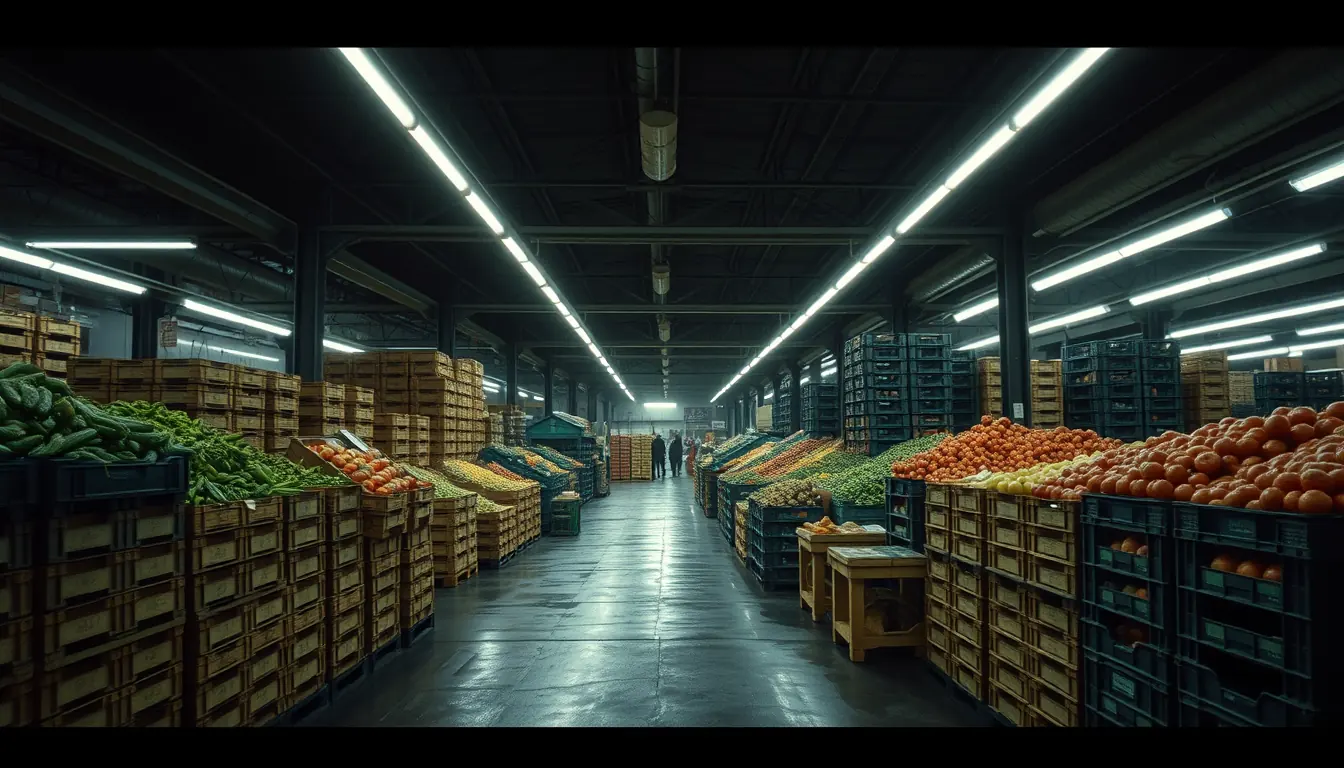
Every order for the day adds into one list, grouped the way you walk the market.
 0304:00
What you paid
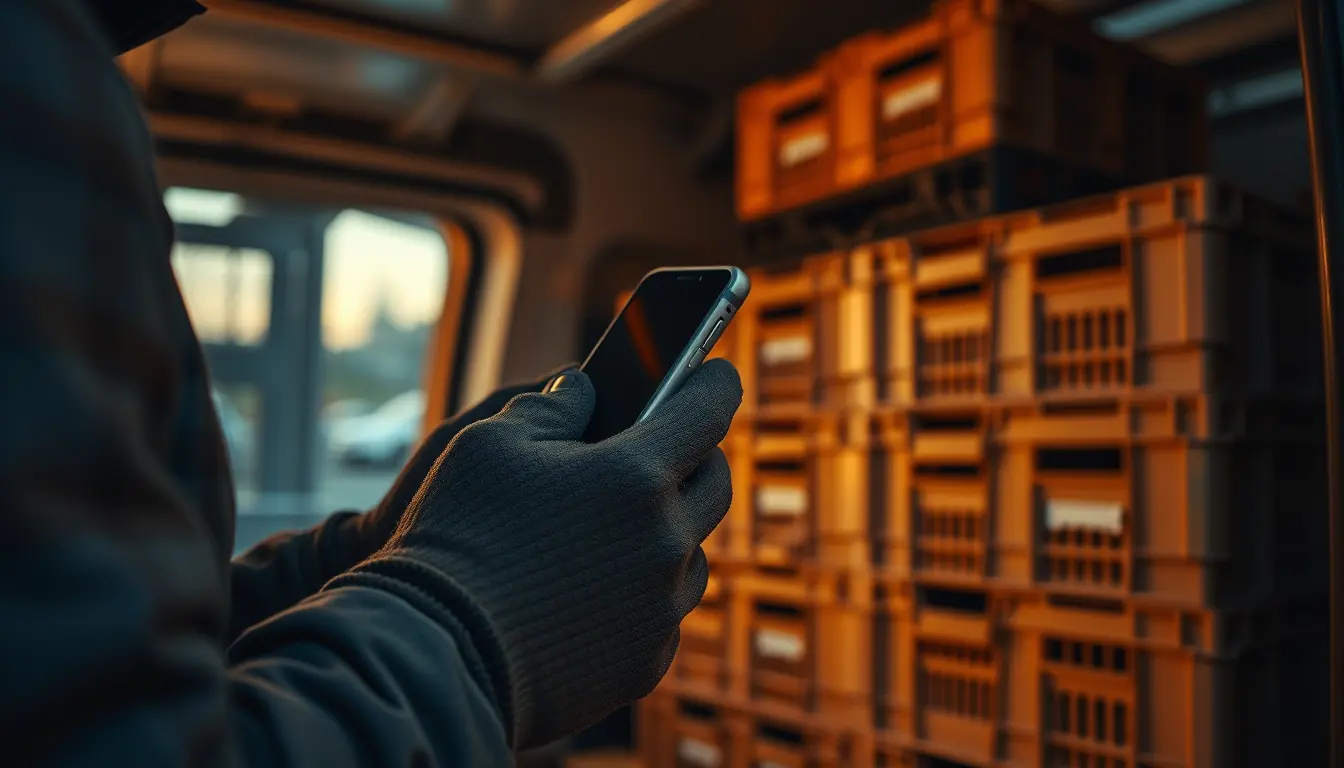
Logged at the stall, on a phone. Every sell price for the day follows from it.
 0405:00
The pick
Ordered by where things sit, chilled last, so it goes from the cold store straight onto the van.
 0505:30
The round
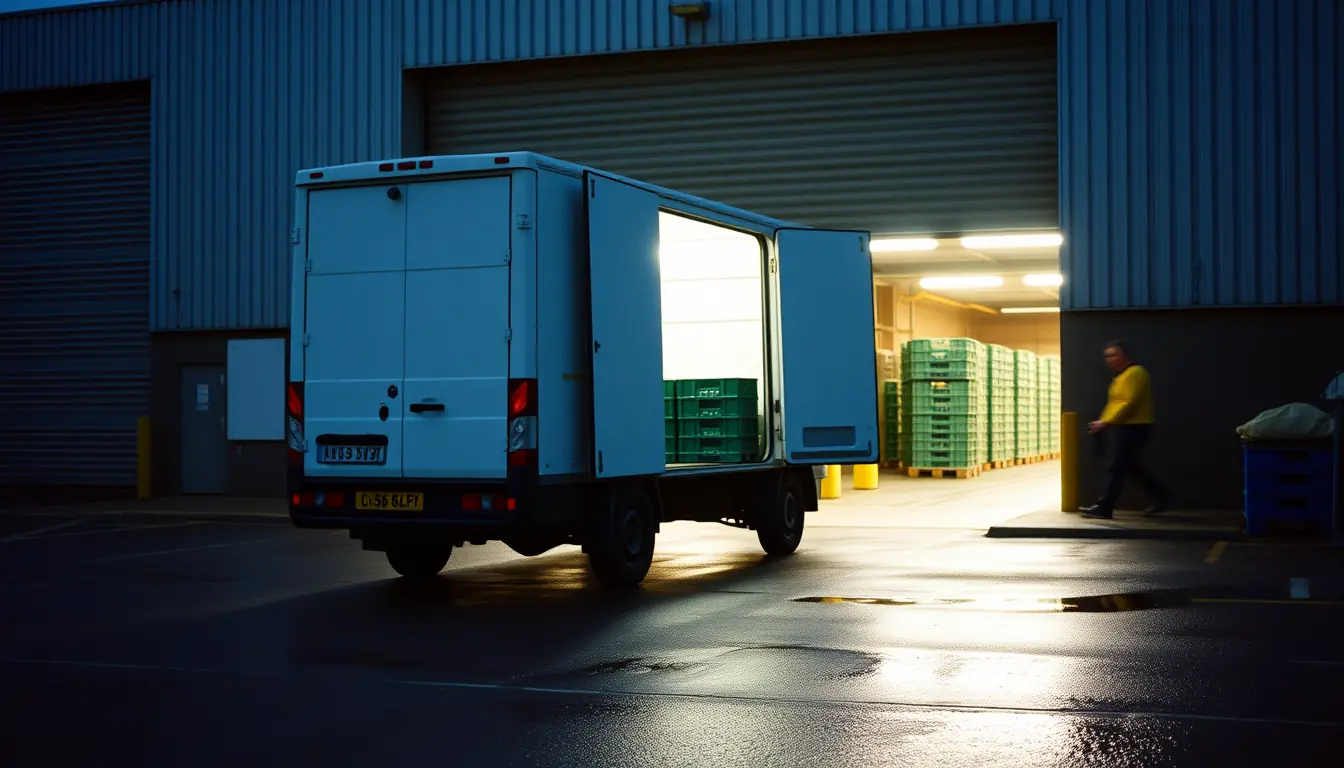
Say how many vans. Every drop is placed, in order, inside its window.
 0606:00
The drive
The driver sees their next stop and one button into the sat-nav.
 0707:40
The proof
Signature, photo, temperature, crates. The invoice raises itself off what was actually delivered.
End to end, and here is the end
Find the job you do at eleven o’clock.
Every part of the system, in the words of the person who uses it. If your morning is not in this list, we have not built it and we will say so.
Orders in
- The group chat, pasted in, becomes real orders against your own product list
- Over the phone, at the speed somebody talks
- Regulars propose their own basket from what they actually take
- Every order keeps a link back to the words the customer sent
Buying
- One buying list for the whole day, grouped the way you walk the market
- Photograph the supplier's docket and the costs come off the page
- What you paid this morning sets what you charge today
- A margin rule per category, measured from what you already charge
The yard
- Pick sheets built per round, ambient first and chilled last
- Short picks recorded as short, never silently reduced
- Bins and stock, if you hold any, and skipped if you buy to order
- The van cannot leave on a sheet nobody has ticked
The road
- Every drop spread across the vehicles you actually own, in driving order
- Windows, payload, chilled space, licence class and drivers' hours respected
- The driver's phone shows one thing: where next, and how to get in
- A late order joins a round that has not left, without disturbing the pick
The door
- Signature, photograph, temperature, crates out and back, position and time
- Nobody there? Left as instructed, evidenced by photograph and position
- Anything going back on the van is recorded before the invoice is raised
- Cash or card taken at the door, counted against the driver at the end
The money
- The invoice raises itself on what was actually delivered, not what was ordered
- Credit notes, statements and a full audit trail behind every figure
- Chasing runs itself off each customer's own terms and never chases twice
- The books, the cash handover, and what you are owed today
The day, in order
A warehouse runs to a clock.
This is one real day on a wholesale floor in Southall. Yours starts at a different hour and carries different stock. The shape does not change.
16:00
Day before
Orders arrive however they already send them
WhatsApp, a voice note, an email, or shouted over the counter. Every one is read into a proper order against your product list, and keeps a link back to the original message. When a chef says that is not what I asked for, you open the words they sent.
20:00
Evening
The regulars order themselves
For customers who take the same things every week, tomorrow's basket builds itself from what they actually order, and shows why every line is on it. Your desk accepts it, changes it, or throws it away. Nothing goes out until somebody here says so.
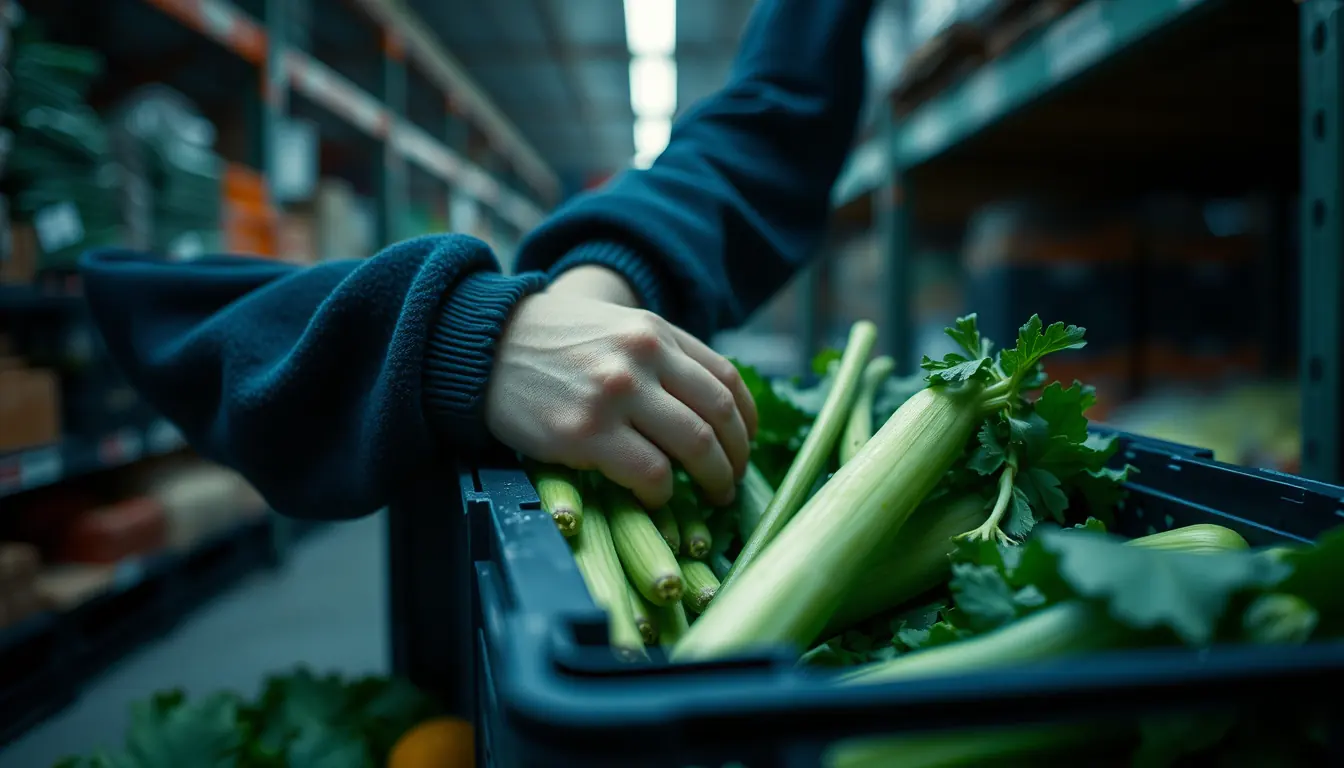
04:00
Market
What you paid goes in on the spot
One buying list for the whole day, grouped the way you walk the market. Your buyer logs what they actually paid as they pay it, and the screen says whether the price moved since last time.
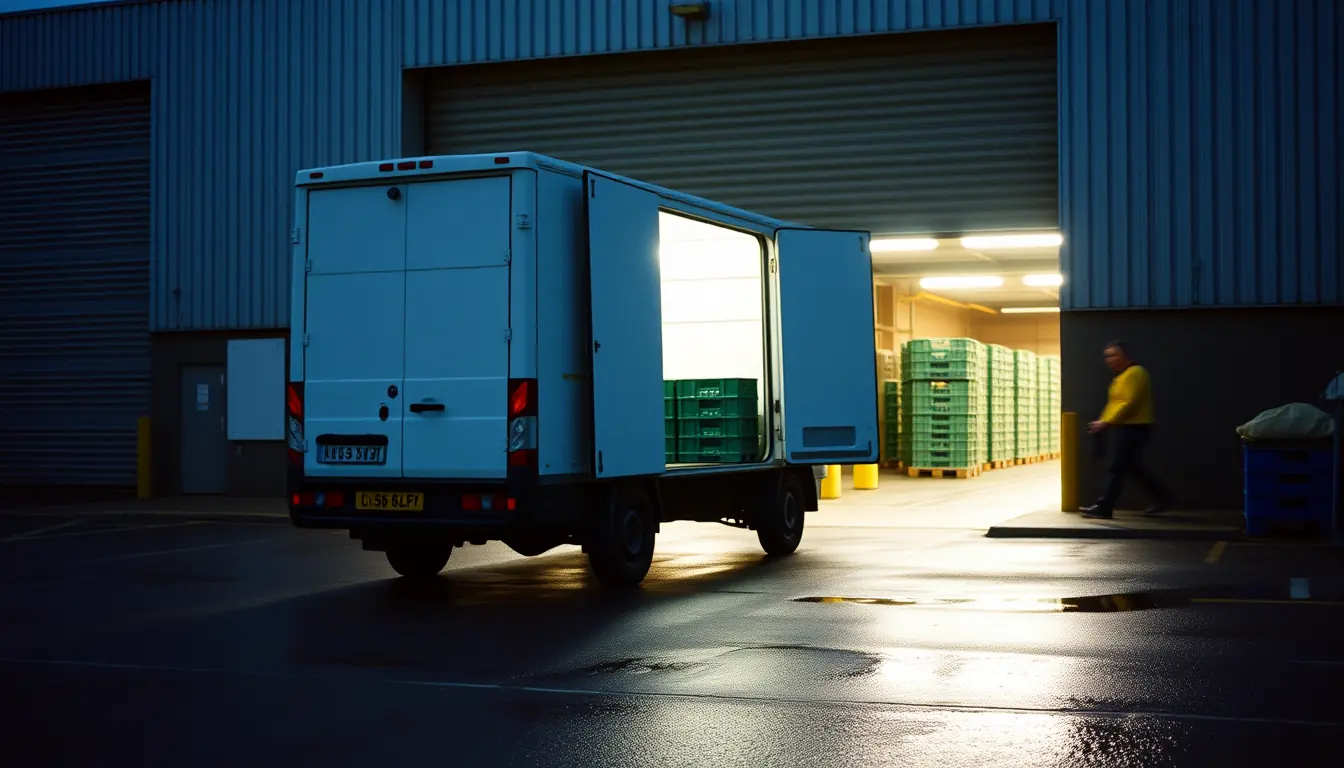
05:30
The yard
Say how many vans. Press one button.
The day is spread across the vans you actually have, respecting delivery windows, payload, chilled space, licence class and how long a driver may legally be out. A van that is not needed stays in the yard and the screen says so. A drop that cannot be reached is named, with the reason.
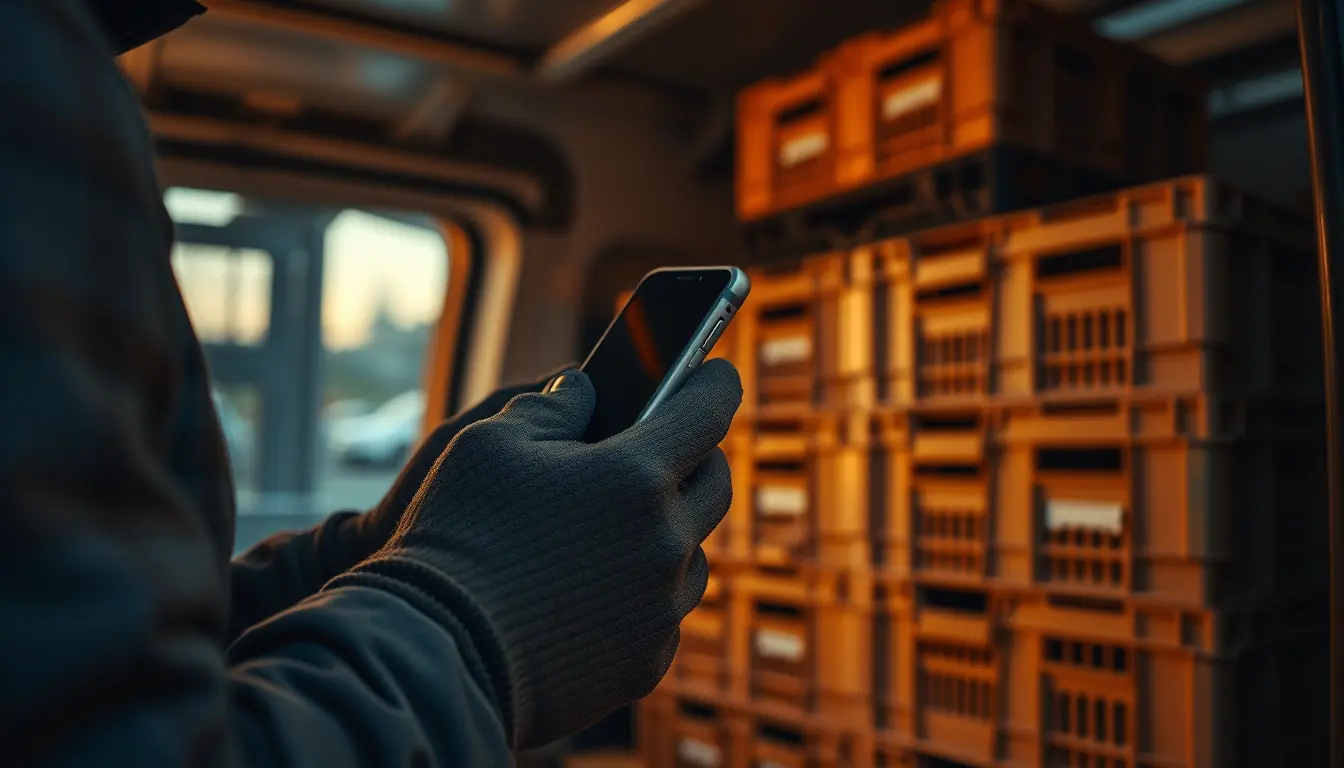
06:00
On the road
The driver sees one thing: where next
Their own round, not the yard's. Who is next, the address, the time they are due, and one button into Google Maps or Waze. Gate codes and access notes on the screen, because that is what decides whether a drop succeeds at six in the morning.
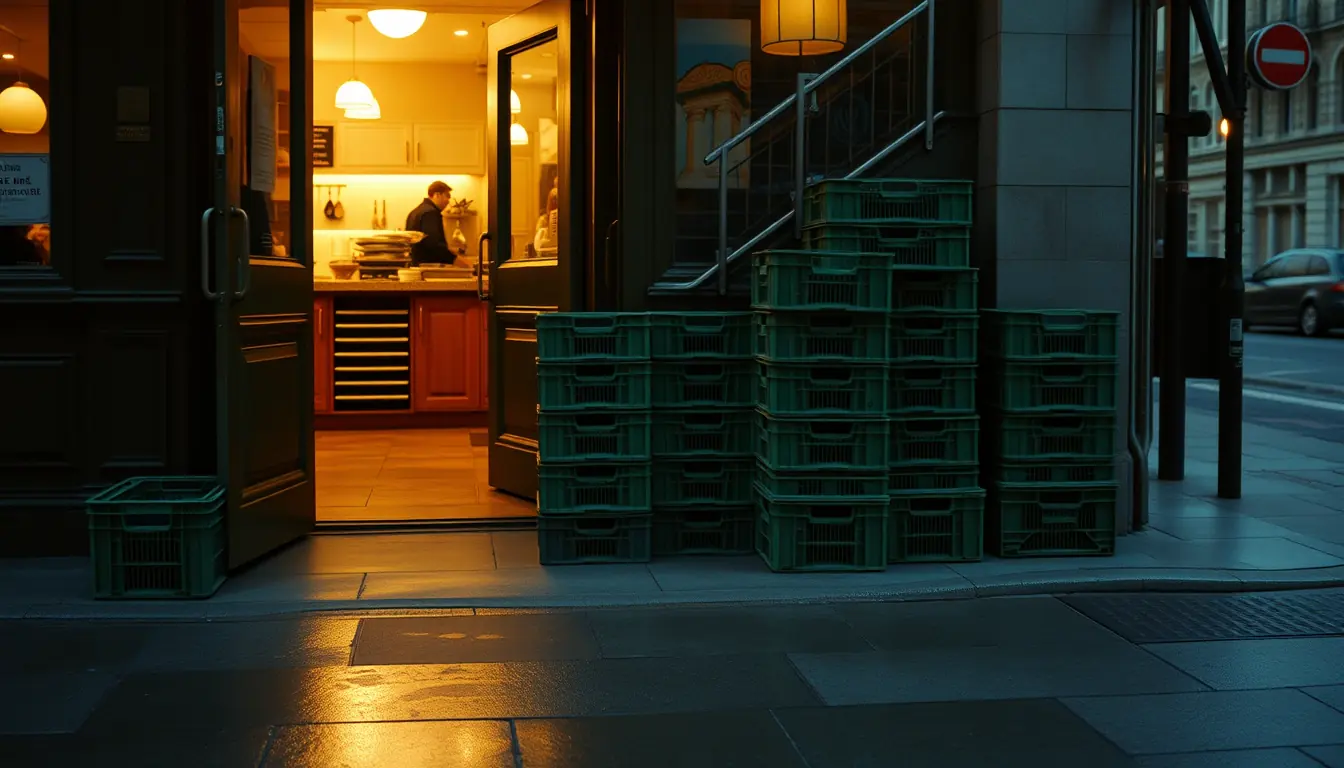
07:40
The kerb
Proof, then the invoice raises itself
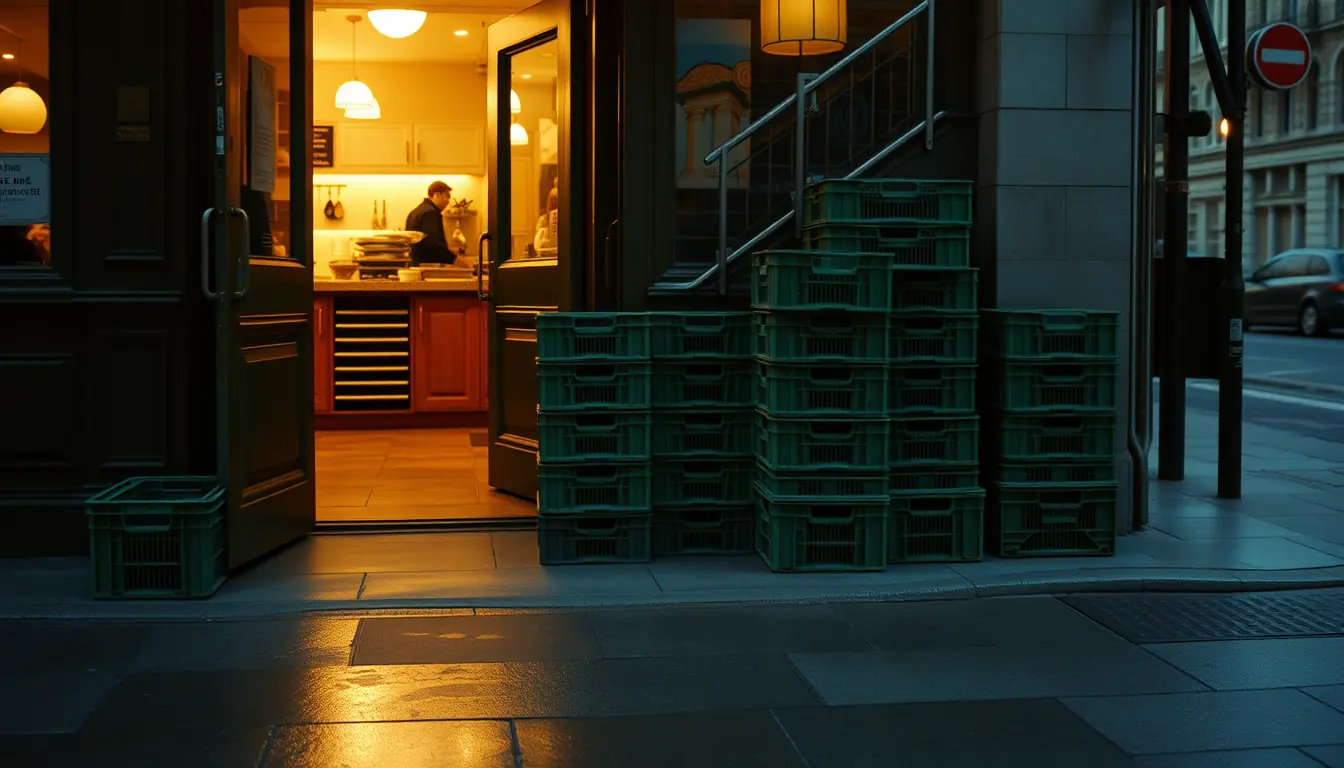
Who took it, their signature on the screen, a photo, the temperature, crates out and back, GPS stamped on automatically. The moment it saves, the drop closes and the invoice goes out, billed on what was actually delivered. Nobody there? Recorded with a reason, and not invoiced.
This morning, at market
Every price you charge follows what you paid this morning.
Never a price older than 48 hours
- £7.42+£0.38
Tomato, plum, Class I
6kg box
- £11.80-£0.95
Iceberg lettuce, Class I
12 head crate
- £6.15+£1.42
Coriander
10 bunch
- £14.25
Onion, brown
25kg sack
- £10.90-£0.40
Potato, Maris Piper
25kg sack
A rise in amber, a fall in sage, a sharp move in rust. Set a percentage, a target margin or a fixed price for one customer, and every sell price follows the cost automatically, with a floor you will not trade below.
Measured, not claimed
These are real runs, not a brochure.
- 0.9seconds
- to plan 50 drops across 6 vans
- 154.6km
- for that day, against 160.2 from OR-Tools
- 10of 10
- orders billed to the penny, order to invoice
- 704checks
- automated tests on every change
Taken from runs against a working set of 400 product lines, 30 restaurant customers and six weeks of order history. No customer results are quoted here, because the first one has not run a live day yet.
Where we sit
Everyone else does diagnosis. We do execution.
Ordering platforms
Fresho and its kind put your customers on their platform.
Your customers change nothing. They text you like they always have, and everything that needs to reach them is a link they tap.
Route software
Podfather and its kind plan the vans and stop there.
The round is one step of a chain that starts at the order coming in and ends at a paid invoice. Nothing is re-keyed between them.
Price tools
Everyone else does diagnosis: alerts, costings, scanning.
We do execution. The basket is rebuilt and the split order placed. Costing and scanning are hygiene, not the product.
The customer never has to change anything.
Restaurants do not want another app, another login, or another portal. They want to order the way they always have - the group chat, a voice note, a phone call at six in the morning. All of it lands here as a real order, and nobody on their side is asked to do anything differently.
- Confirm tomorrow's order
- See what a dish costs to make
- Approve a swap when you are short
- See what they have saved, with the evidence
- Read their statement
- Check an invoice against the delivery
What it costs to run
Warehouse software has been priced like an aeroplane.
Not because a warehouse is hard to run. Because the people who sell to warehouses have historically sold a year of consultants with the licence. There is no implementation project here, no per-seat fee, and no module you find out you needed in month four.
A hundred drops a day
£78
a month, for everything the system runs on
Four hundred drops a day
£165
a month at thirty million of turnover, which is 0.007% of what goes through it
Those are the measured running costs, not what anybody is charged. What a warehouse pays depends on its size, and that is a conversation rather than a number on a page. What we will say now is that it is closer to a phone bill than to a van.
Run one real day on it.
Bring one morning of orders, whatever you sell. We will price it, pick it, route it, drive it and bill it beside whatever you do now, and you can put the two next to each other. No import project, no commitment, and your customers never know it happened.